

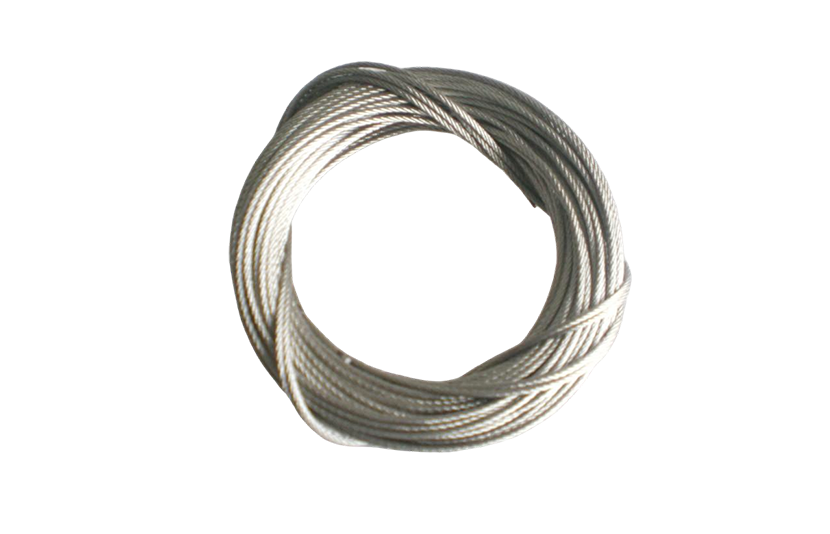
Dây cáp thép là một trong những thành phần được sử dụng rộng rãi nhất trong các ứng dụng nâng, kéo, đẩy và chịu tải trong công nghiệp.
Khi lựa chọn dây cáp thép phù hợp, hai yếu tố kỹ thuật quan trọng nhất là: lực phá vỡ Và
hệ số an toànCác giá trị này ảnh hưởng trực tiếp đến hiệu suất, độ tin cậy, tuổi thọ và an toàn vận hành tổng thể.
Hướng dẫn này giải thích lực đứt của dây cáp thép, Tính toán hệ số an toàn, các cấu trúc dây cáp thép thông thường,
Tài liệu này đề cập đến các yếu tố như khả năng chịu tải và bảng thông số kỹ thuật điển hình. Nó được viết dành cho người mua hàng công nghiệp, kỹ sư và đội ngũ mua sắm.
các nhà quản lý bảo trì và bất kỳ ai cần hiểu rõ cách đánh giá dây cáp thép cho các ứng dụng nâng hạ và lắp đặt.
Nếu bạn đang xây dựng trang danh mục sản phẩm, bài đăng trên blog ngành hoặc trang tài nguyên kỹ thuật, nội dung sau đây sẽ cung cấp những thông tin hữu ích.
Thông tin thân thiện với SEO, giàu từ khóa và được cấu trúc hợp lý về sức chịu lực đứt của dây cáp thép,
tải trọng phá vỡ tối thiểu, giới hạn tải trọng làm việc, Và hệ số an toàn cho dây cáp thép.
Dây cáp thép là một bộ phận cơ khí linh hoạt được tạo ra bằng cách xoắn nhiều sợi thép lại với nhau thành các bó, sau đó xoắn các bó đó lại với nhau.
xung quanh một lõi trung tâm. Kết quả là một sợi dây có độ bền cao, được thiết kế để chịu tải nặng, chống mài mòn và hoạt động đáng tin cậy trong các điều kiện khắt khe.
so với dây thừng sợi hoặc dây thừng tổng hợp, Dây thép có khả năng chịu nhiệt vượt trội, độ bền kéo cao và chắc chắn.
sự ổn định về kích thước.
Trong công nghiệp, dây cáp thép thường được sử dụng trong cần cẩu, thang máy, máy nâng, thiết bị khai thác mỏ, hệ thống treo, xây dựng,
Các hoạt động hàng hải, giàn khoan dầu khí, hệ thống kéo và thiết bị xử lý vật liệu. Bởi vì nó phải mang tải trọng lớn trong điều kiện động.
điều kiện làm việc, hiểu rõ về nó lực phá vỡ Và hệ số an toàn Điều này rất cần thiết.
Cái lực phá vỡ Độ bền kéo của dây cáp thép đề cập đến lực tối đa mà dây cáp có thể chịu được trước khi bị đứt. Nó còn được gọi là...
sức chịu đựng, tải trọng phá vỡ tối thiểu (MBL), hoặc tải trọng phá vỡ cuối cùng tùy thuộc vào
bối cảnh và tiêu chuẩn được sử dụng.
Nói một cách đơn giản, lực phá vỡ là mức tải trọng mà tại đó dây cáp thép không còn chịu được lực căng một cách an toàn và bắt đầu bị đứt.
Giá trị này thường được xác định thông qua thử nghiệm trong phòng thí nghiệm và bị ảnh hưởng bởi nhiều yếu tố, bao gồm đường kính dây, cấu tạo,
Mác thép, loại lõi, hướng xếp sợi, chất bôi trơn và chất lượng sản xuất.
Điều quan trọng cần lưu ý là lực phá vỡ là không tải trọng làm việc khuyến nghị. Không bao giờ được sử dụng dây cáp thép ở mức hoặc
gần với lực phá vỡ trong điều kiện vận hành bình thường. Thay vào đó, các kỹ sư áp dụng hệ số an toàn để xác định khả năng làm việc an toàn.
Cái hệ số an toàn Đây là tỷ lệ giữa lực đứt của dây và tải trọng làm việc thực tế. Nó được sử dụng để đảm bảo rằng...
Dây cáp thép hoạt động với biên độ an toàn đủ lớn trong điều kiện bình thường và bất ngờ.
Hệ số an toàn cao hơn đồng nghĩa với khả năng bảo vệ tốt hơn trước các tác động va đập, mài mòn, mỏi, quá tải và ứng suất bất ngờ. Hệ số an toàn thấp hơn
Có thể được cho phép trong một số ứng dụng kỹ thuật được kiểm soát, nhưng nhìn chung nó đòi hỏi thiết kế, kiểm tra và vận hành rất chính xác.
Về mặt thực tế, hệ số an toàn giúp xác định sự khác biệt giữa các loại dây thừng. Có thể về mặt lý thuyết có thể chịu đựng được và những gì nó nên làm
Thực ra mang theo khi phục vụ.
Lực phá vỡ và hệ số an toàn là rất quan trọng vì dây cáp thép thường được sử dụng trong các ứng dụng mà sự hỏng hóc có thể gây hư hại thiết bị.
thời gian ngừng hoạt động, thương tích hoặc các mối nguy hiểm nghiêm trọng về an toàn. Việc đánh giá đúng cách giúp người dùng tránh được tình trạng dây cáp không đáp ứng đủ tiêu chuẩn, quá tải và đứt sớm.
Lực phá vỡ của dây cáp thép không chỉ được xác định bởi đường kính. Một số yếu tố cấu trúc và vật liệu ảnh hưởng đến lực phá vỡ cuối cùng.
xếp hạng sức mạnh.
Nhìn chung, đường kính dây càng lớn thì lực đứt càng mạnh. Tuy nhiên, đường kính không phải là yếu tố duy nhất quyết định độ bền vì cấu tạo và các yếu tố khác cũng ảnh hưởng đến độ bền.
Mác thép cũng ảnh hưởng đến hiệu suất.
Dây cáp thép có thể được chế tạo với nhiều cấu trúc khác nhau như 6x19, 6x36, 7x19, 8x19, và các loại khác. Con số đầu tiên biểu thị số lượng sợi.
và ký hiệu thứ hai chỉ số lượng dây trong mỗi sợi. Các cấu trúc khác nhau cân bằng giữa tính linh hoạt, khả năng chống mài mòn, tuổi thọ mỏi,
và sức mạnh.
Các loại thép có độ bền kéo cao hơn thường có độ bền đứt lớn hơn. Các loại thép phổ biến bao gồm thép cày cải tiến và thép cày cải tiến vượt trội.
Tùy thuộc vào thông số kỹ thuật và tiêu chuẩn của nhà sản xuất.
Lõi cáp thép có thể là lõi sợi (FC), lõi cáp thép độc lập (IWRC) hoặc lõi dây bện. IWRC thường cải thiện khả năng chống nén và
có thể làm tăng độ bền hiệu quả so với lõi sợi.
Hướng và kiểu nằm của sợi tóc, chẳng hạn như nằm nghiêng phải, nằm nghiêng trái hoặc nằm nghiêng kiểu Lang, ảnh hưởng đến độ linh hoạt, khả năng chống xoay và
Đặc tính mỏi.
Dây cáp thép mạ kẽm, thép sáng bóng và thép không gỉ đều có khả năng chống ăn mòn và ưu điểm ứng dụng khác nhau. Bôi trơn đúng cách là rất quan trọng.
Giúp giảm ma sát và mài mòn bên trong, từ đó duy trì độ bền sử dụng được theo thời gian.
Việc tuân thủ các tiêu chuẩn ngành được công nhận đảm bảo phương pháp thử nghiệm nhất quán và xếp hạng độ bền đáng tin cậy hơn.
Một điểm gây nhầm lẫn thường gặp là sự khác biệt giữa lực phá vỡ Và giới hạn tải trọng làm việc (WLL). Những điều này
Hai giá trị này có liên quan đến nhau, nhưng chúng không giống nhau.
| Thuật ngữ | Nghĩa | Sử dụng điển hình |
|---|---|---|
| Lực phá vỡ / Sức chịu tải phá vỡ | Tải trọng tối đa mà dây có thể chịu được trước khi đứt | Tài liệu tham khảo kỹ thuật và thông số kỹ thuật sản phẩm |
| Giới hạn tải trọng làm việc (WLL) | Mức tải tối đa được khuyến nghị cho hoạt động bình thường. | Vận hành an toàn và lập kế hoạch tải |
| Hệ số an toàn | Tỷ lệ giữa lực phá vỡ và tải trọng làm việc | Lựa chọn thiết kế và ứng dụng an toàn |
Ví dụ: Nếu dây cáp thép có lực phá vỡ là 10.000 kg và hệ số an toàn là 5:1, thì giới hạn tải trọng làm việc gần đúng sẽ là
2.000 kg. Con số này không tính đến tải trọng động, hao mòn, uốn cong hoặc điều kiện môi trường, vì vậy việc lựa chọn thực tế luôn phải dựa trên các yếu tố sau.
Thận trọng hơn khi cần thiết.
Hệ số an toàn của dây cáp thép được tính bằng một công thức đơn giản:
Hệ số an toàn = Lực phá vỡ ÷ Tải trọng làm việc
Ví dụ, nếu một sợi dây cáp có lực chịu tải tối đa là 12.000 kg và vật cần nâng là 2.000 kg:
Hệ số an toàn = 12.000 ÷ 2.000 = 6
Kết quả là hệ số an toàn là 6:1. Điều này có nghĩa là lực đứt của dây thừng gấp sáu lần tải trọng làm việc dự kiến.
Trong thiết kế công nghiệp thực tế, tải trọng làm việc có thể cần phải tính đến các yếu tố bổ sung như:
Hệ số an toàn cần thiết phụ thuộc vào ứng dụng, tiêu chuẩn quản lý, môi trường hoạt động và các quy định địa phương. Các giá trị dưới đây là:
Các tài liệu tham khảo chung trong ngành cần được kiểm chứng dựa trên tiêu chuẩn ứng dụng có liên quan.
| Ứng dụng | Phạm vi hệ số an toàn điển hình | Ghi chú |
|---|---|---|
| Nâng và cẩu | 5:1 đến 7:1 | Thường có mức phí cao hơn do hoạt động đòi hỏi an toàn cao. |
| Dây cáp cần cẩu trên cao | 5:1 trở lên | Có thể khác nhau tùy theo thiết kế hệ thống và tiêu chuẩn. |
| Dây cáp thang máy | 8:1 đến 12:1 | Các yêu cầu an toàn nghiêm ngặt thường gặp |
| Dây neo/dây cáp đỡ | 3:1 đến 5:1 | Phụ thuộc vào tải trọng tĩnh hoặc bán tĩnh. |
| Kéo/kéo | 4:1 đến 6:1 | Cần xem xét đến các cú sốc và sự thay đổi tải đột ngột. |
| Khai thác mỏ và công nghiệp nặng | Tùy thuộc vào quy định. | Phải tuân thủ các yêu cầu an toàn cụ thể của từng địa điểm. |
Các giá trị này chỉ là hướng dẫn chung. Luôn luôn xác nhận hệ số an toàn cần thiết với tiêu chuẩn kỹ thuật liên quan, hướng dẫn sử dụng thiết bị,
và điều kiện hoạt động.
Thông số kỹ thuật của dây cáp thép thường được mô tả bằng đường kính, cấu trúc, loại lõi, kiểu xoắn, lớp phủ, cấp độ bền kéo và lực đứt tối thiểu.
lực. Bảng sau đây cung cấp định dạng tham khảo chung cho các danh sách sản phẩm thông thường.
| Đường kính | Sự thi công | Loại lõi | Sử dụng điển hình | Đặc điểm sức mạnh chung |
|---|---|---|---|---|
| 3 mm | 6x7 / 6x19 | FC / IWRC | Dây cáp điều khiển kéo nhẹ | Lực phá vỡ thấp đến trung bình |
| 5 mm | 6x19 / 6x36 | FC / IWRC | Máy nâng nhỏ, hệ thống rào chắn | Lực phá vỡ vừa phải |
| 8 mm | 6x19 / 7x19 | FC / IWRC | Kéo tời, nâng hạ, lắp đặt thiết bị | Lực phá vỡ cao hơn |
| 10 mm | 6x19 / 6x36 | IWRC | Sử dụng cần cẩu làm phụ trợ, kéo | Lực phá vỡ cao |
| 12 mm | 6x36 / 8x19 | IWRC | Nâng vật nặng, cẩu hàng | Lực phá vỡ rất cao |
| 16 mm | 6x36 / 18x7 | IWRC | Hệ thống nâng hạ công nghiệp | Lực phá vỡ rất cao |
| 20 mm | 6x36 / Chống xoay | IWRC | Cần cẩu lớn, máy nâng hàng nặng | Lực phá vỡ cực cao |
Giá trị lực phá vỡ thực tế có thể khác nhau tùy thuộc vào nhà sản xuất, mác thép, cấu trúc và tiêu chuẩn. Luôn tham khảo bảng dữ liệu kỹ thuật chính thức.
để có được các giá trị tải trọng phá vỡ tối thiểu chính xác.
Dây cáp thép vẫn là lựa chọn ưu tiên cho nhiều ứng dụng công nghiệp vì nó kết hợp được độ bền, độ chắc chắn và tính linh hoạt.
Các cấu trúc dây thừng khác nhau mang lại sự cân bằng khác nhau giữa độ bền, độ dẻo và khả năng chống mài mòn. Việc lựa chọn cấu trúc phù hợp là rất quan trọng.
Đây là một phần quan trọng trong việc tối ưu hóa lực phanh và hệ số an toàn.
| Sự thi công | Tính linh hoạt | Khả năng chống mài mòn | Đặc tính sức mạnh | Sử dụng thông thường |
|---|---|---|---|---|
| 6x7 | Thấp | Cao | Mạnh mẽ nhưng cứng cáp | Các ứng dụng kéo và căng cơ bản |
| 6x19 | Trung bình | Trung bình đến cao | Hiệu suất cân bằng | Nâng hạ và lắp đặt chung |
| 6x36 | Cao | Trung bình | Linh hoạt và có độ bền tốt | Dịch vụ nâng hạ và cẩu hàng |
| 7x19 | Cao | Trung bình | Rất linh hoạt | Dây cáp điều khiển và tời |
| 8x19 | Cao | Trung bình | Sức mạnh và độ dẻo dai tốt | Hệ thống cần cẩu và thang máy |
| Chống xoay | Trung bình | Trung bình | Được thiết kế để giảm thiểu sự xoay chuyển khi chịu tải. | Hoạt động nâng hạ và cẩu hàng |
Việc lựa chọn dây cáp thép phù hợp không chỉ đơn thuần là chọn loại cáp dày nhất hiện có. Việc lựa chọn đúng đắn cần xem xét đến các yếu tố sau:
Ứng dụng, lực phá vỡ yêu cầu, hệ số an toàn, điều kiện uốn và môi trường hoạt động.
Ngay cả khi dây cáp thép có lực phá vỡ định mức cao, hiệu suất thực tế của nó vẫn có thể bị giảm do điều kiện vận hành và cách lắp đặt.
vấn đề.
| Hệ số giảm | Ảnh hưởng lên dây cáp | Kết quả |
|---|---|---|
| Uốn cong sắc nét | Làm tăng căng thẳng và mệt mỏi bên trong | Tuổi thọ sử dụng ngắn hơn |
| Quá tải | Làm tăng nguy cơ hư hỏng hoặc sự cố vĩnh viễn. | Giảm biên độ an toàn |
| Bôi trơn kém | Làm tăng ma sát giữa các dây dẫn và sợi dây. | Hao mòn nhanh hơn |
| Ăn mòn | Làm suy yếu dây dẫn và giảm tiết diện. | Độ bền đứt thấp hơn |
| Lắp đặt không đúng cách | Gây ra hiện tượng xoắn, gập khúc hoặc tải trọng không đều. | rủi ro thất bại sớm |
| Tải trọng xung kích | Tạo ra những xung lực đột ngột | Hệ số an toàn có thể không đủ. |
Việc sử dụng dây cáp thép an toàn phụ thuộc vào việc lựa chọn, lắp đặt, kiểm tra và thay thế đúng cách. Các biện pháp thực hành tốt nhất sau đây được áp dụng rộng rãi.
Được chấp nhận trong môi trường công nghiệp.
| Thuật ngữ | Sự định nghĩa |
|---|---|
| Tải trọng phá vỡ tối thiểu (MBL) | Lực tối thiểu mà tại đó dây thừng dự kiến sẽ bị đứt trong điều kiện thử nghiệm tiêu chuẩn. |
| Giới hạn tải trọng làm việc (WLL) | Tải trọng tối đa cho phép trong điều kiện vận hành bình thường |
| Hệ số an toàn | Tỷ lệ giữa lực phá vỡ và tải trọng làm việc |
| Đặt nằm | Hướng và kiểu xoắn của các dây và sợi dây với nhau. |
| Cốt lõi | Yếu tố trung tâm của sợi dây là phần nâng đỡ các sợi khác. |
| Kháng quay | Khả năng của dây thừng chống lại sự quay tròn dưới tải trọng. |
Lực đứt và hệ số an toàn của dây cáp thép là hai giá trị thiết yếu để sử dụng an toàn và hiệu quả trong công nghiệp. Lực đứt xác định...
Tải trọng tối đa mà dây thừng có thể chịu được trước khi đứt, trong khi hệ số an toàn xác định khoảng cách giữa giới hạn đó và tải trọng làm việc. Cả hai yếu tố trên cùng nhau tạo nên...
Chúng giúp người dùng lựa chọn loại dây cáp thép phù hợp cho các ứng dụng nâng, cẩu, kéo, buộc dây và đỡ tải.
Cho dù bạn đang so sánh Thông số kỹ thuật dây cáp thép, đánh giá sức chịu lực đứt của dây cáp thép, hoặc
tính toán hệ số an toàn cho dây nângLuôn sử dụng dữ liệu kỹ thuật đáng tin cậy và lựa chọn loại dây phù hợp với mục đích sử dụng cụ thể.
Lựa chọn đúng đắn giúp giảm rủi ro, cải thiện hiệu suất và kéo dài tuổi thọ sản phẩm.
Đối với nội dung về mua sắm công nghiệp và kỹ thuật, các từ khóa như... lực đứt của dây cáp thép,
hệ số an toàn của dây cáp, tải trọng phá vỡ tối thiểu, giới hạn tải trọng làm việc,
cấu trúc dây cáp, Và bảng thông số kỹ thuật dây cáp thép có tầm quan trọng rất lớn đối với khả năng hiển thị trên công cụ tìm kiếm và
Sự rõ ràng về mặt kỹ thuật.
```

 Điện thoại cố định: +86-513-85100011
Số điện thoại: +86 13585223056
 E-mail:hangtong@nthangtong.com
vicky@nthangtong.com
 Địa chỉ: Số 508, đường Quảng Hưng, thị trấn Baishan, huyện Bo'ai, thành phố Tiêu Tác, tỉnh Hà Nam
Bản quyền © Công ty TNHH Cáp thép Hà Nam Suxiang
Trang web này sử dụng cookie để đảm bảo bạn có được trải nghiệm tốt nhất trên trang web của chúng tôi.
 English
 Español
 한국어
한국어 العربية
 Filipino



 Điện thoại
Bình luận
(0)