

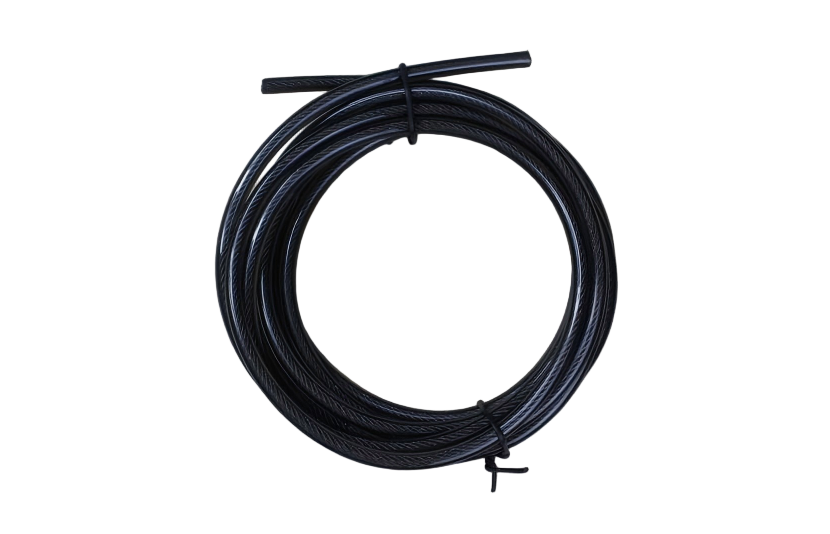
Lưới gabion Lưới gabion được sử dụng rộng rãi trong kỹ thuật dân dụng, bảo vệ mái dốc, ổn định bờ sông và phục hồi môi trường vì nó cung cấp một cấu trúc chắc chắn, linh hoạt và thấm nước giúp kiểm soát sự dịch chuyển của đất. Ở những khu vực bị ảnh hưởng bởi dòng chảy nước mưa, dòng suối, mái dốc không ổn định hoặc điều kiện đất thay đổi, lưới gabion có thể giảm thiểu đáng kể hiện tượng này. xói mòn đất và giảm nguy cơ sạt lở đấtSự kết hợp giữa độ bền, khả năng thoát nước và tính linh hoạt khiến nó trở thành một trong những giải pháp thiết thực nhất cho việc ổn định nền đất lâu dài.
Bài viết này giải thích lưới gabion là gì, cách thức hoạt động, tại sao nó hiệu quả trong việc chống xói mòn và sạt lở đất, các thông số kỹ thuật phổ biến, nguyên tắc lắp đặt và những lợi thế chính của việc sử dụng lưới gabion trong các dự án bảo vệ cơ sở hạ tầng và cảnh quan hiện đại. Nội dung dưới đây được viết sao cho thân thiện với SEO trên các trang blog, trang danh mục, trang đích và trang thông tin ngành.
Lưới gabion Hệ thống lưới thép là một phương pháp được sử dụng để tạo ra các rọ đá, hộp rọ đá, đệm rọ đá và các cấu trúc giữ hoặc bảo vệ khác. Những thùng lưới này thường được lấp đầy bằng đá, sỏi hoặc các vật liệu bền khác để tạo thành một khối ổn định. Cấu trúc hoàn thiện có thể chống lại dòng chảy của nước, hấp thụ va đập và nâng đỡ đất trên các sườn dốc hoặc dọc theo bờ.
Nói một cách đơn giản, lưới gabion đóng vai trò như khung ngoài giữ vật liệu lấp đầy bên trong. Sau khi được lắp đặt và lấp đầy, cấu trúc gabion trở thành một rào chắn nặng, thấm nước và bền chắc. Bởi vì nó cho phép nước chảy qua trong khi giữ lại đất và đá, nên nó đặc biệt hiệu quả trong việc... kiểm soát xói mòn Và ổn định mái dốc.
Xói mòn đất và sạt lở đất thường do sự kết hợp giữa các lực lượng tự nhiên và hoạt động của con người gây ra. Hiểu rõ nguyên nhân gốc rễ giúp giải thích tại sao lưới gabion lại là một hệ thống bảo vệ hiệu quả đến vậy.
Do lưới gabion kết hợp giữa gia cố kết cấu và thoát nước, nên nó phù hợp để kiểm soát nhiều yếu tố rủi ro này cùng một lúc.
Lưới gabion giúp ngăn ngừa xói mòn đất theo nhiều cách. Thiết kế của nó đơn giản, nhưng hiệu quả hoạt động lại rất cao trong các ứng dụng thực tế.
Một trong những nguyên nhân chính gây xói mòn là dòng nước chảy xiết. Các công trình gabion làm chậm dòng chảy của nước ở bờ sông, kênh thoát nước và chân dốc. Khi vận tốc nước giảm, lực cuốn trôi các hạt đất cũng giảm theo. Điều này làm cho lưới gabion trở thành một giải pháp hữu ích cho việc chống xói mòn. kiểm soát xói mòn nước Và ổn định ngân hàng.
Các rọ đá và tấm đệm gabion tạo ra một lớp bảo vệ giữa đất và các tác động từ môi trường. Rào chắn này ngăn chặn tác động trực tiếp từ dòng nước chảy, nước mưa bắn tung tóe và sóng biển. Kết quả là, lớp đất bên dưới ít có khả năng bị cuốn trôi hơn.
Khác với tường bê tông đặc, lưới gabion có khả năng thấm nước. Nước có thể đi qua cấu trúc, làm giảm áp suất thủy tĩnh phía sau tường hoặc hệ thống bảo vệ mái dốc. Khả năng thoát nước này rất quan trọng vì nước bị giữ lại thường đẩy nhanh quá trình xói mòn và làm suy yếu các tầng đất. Bằng cách cho phép thoát nước có kiểm soát, lưới gabion giúp duy trì điều kiện đất ổn định.
Lưới gabion có thể được lắp đặt dọc theo bờ sông, bờ đường, mương thoát nước và rìa sườn đồi. Đây là những vị trí dễ bị tổn thương, nơi xói mòn thường bắt đầu. Bằng cách gia cố rìa dốc hoặc bờ, hệ thống gabion làm giảm sự xói mòn chân tường và mất mát bề mặt.
Trong nhiều dự án, đất và vật liệu trồng cây được đặt gần hoặc bên trong hệ thống rọ đá. Theo thời gian, thảm thực vật có thể phát triển xuyên qua và xung quanh cấu trúc. Rễ cây giúp giữ đất, trong khi lưới rọ đá cung cấp sự hỗ trợ ban đầu. Sự kết hợp giữa bảo vệ cấu trúc và sinh học này giúp cải thiện khả năng chống xói mòn lâu dài.
Lưới gabion không chỉ được sử dụng để kiểm soát xói mòn; nó còn là một công cụ quan trọng để phòng chống sạt lở đất và gia cố mái dốc. Hiệu suất của nó dựa trên tính linh hoạt, khối lượng, khả năng thoát nước và phân bố tải trọng.
Khi được lắp đặt trên hoặc dưới chân dốc, các công trình gabion sẽ tăng thêm trọng lượng và khả năng chịu lực cơ học. Điều này giúp chống lại sự dịch chuyển của đất và đá xuống dốc. Khối gabion hoạt động như một rào cản ổn định, giúp cải thiện sự cân bằng của sườn dốc.
Một ưu điểm quan trọng của lưới gabion là tính linh hoạt. Không giống như các hệ thống giữ đất cứng nhắc, cấu trúc gabion có thể thích ứng nhẹ với sự lún hoặc chuyển động của đất mà không bị hư hỏng ngay lập tức. Tính linh hoạt này đặc biệt hữu ích ở những địa hình không ổn định, nơi các dịch chuyển nhỏ thường xuyên xảy ra.
Lượng nước dư thừa là một trong những nguyên nhân chính gây ra sạt lở đất. Khi đất bị bão hòa, nó sẽ mất đi sức bền và trở nên nặng hơn. Vì lưới gabion có khả năng thấm nước, nó giúp nước thoát ra khỏi sườn dốc. Điều này làm giảm áp suất bên trong và giảm nguy cơ sạt lở.
Phần chân dốc, hay còn gọi là mép dốc, thường là khu vực quan trọng nhất đối với sự ổn định. Nếu mép dốc bị xói mòn hoặc sạt lở, toàn bộ sườn dốc có thể bị sụp đổ. Các công trình chắn bằng rọ đá đặt ở mép dốc có thể tăng cường độ vững chắc, ngăn ngừa xói mòn và chống lại sự dịch chuyển ngang của đất.
Những vết nứt nhỏ, hiện tượng sạt lở đất và các kênh xói mòn có thể phát triển thành những vụ sạt lở lớn nếu không được xử lý. Lưới gabion có thể được sử dụng như một biện pháp phòng ngừa để gia cố các khu vực dễ bị tổn thương trước khi xảy ra sự cố lớn. Điều này làm cho nó trở thành một giải pháp giảm thiểu sạt lở đất hiệu quả về chi phí và thiết thực.
Lưới gabion mang lại nhiều ưu điểm về kỹ thuật và thực tiễn. Những lợi ích này giải thích tại sao nó được sử dụng rộng rãi trong các dự án cơ sở hạ tầng, môi trường và cảnh quan.
| Lợi thế | Sự miêu tả | Lợi ích của ứng dụng |
|---|---|---|
| Độ thấm cao | Cho phép nước chảy qua cấu trúc. | Giảm áp suất nước và độ bão hòa của đất |
| Hỗ trợ cấu trúc vững chắc | Lưới thép chứa đá tạo nên một khối lượng nặng và ổn định. | Cải thiện khả năng chống chịu của sườn dốc và bờ sông. |
| Thiết kế linh hoạt | Có thể chịu được sự lún hoặc dịch chuyển nhỏ của mặt đất. | Thích hợp cho địa hình không bằng phẳng |
| Hệ thống thoát nước tuyệt vời | Ngăn ngừa tình trạng nước đọng lại phía sau các khu vực giữ nước. | Giảm nguy cơ sạt lở đất |
| Vẻ ngoài tự nhiên | Hòa hợp tốt với đá, đất và cây cối. | Thích hợp cho các dự án cảnh quan và môi trường. |
| Tuổi thọ sử dụng lâu dài | Các tùy chọn dây dẫn chống ăn mòn giúp tăng độ bền. | Hỗ trợ bảo vệ lâu dài |
| Dễ dàng lắp đặt | Có thể lắp ráp tại chỗ mà không cần thiết bị phức tạp. | Giảm thời gian xây dựng |
| Tiết kiệm chi phí | Sử dụng các vật liệu thông dụng và phương pháp xây dựng đơn giản. | Thích hợp cho cả dự án lớn và nhỏ. |
Lưới gabion được sử dụng trong nhiều ngành công nghiệp vì nó có thể giải quyết các vấn đề bảo vệ nền đất khác nhau. Ứng dụng của nó không chỉ giới hạn trong kỹ thuật; nó cũng phổ biến trong các dự án môi trường và trang trí.
Các loại rọ đá khác nhau phục vụ các nhu cầu bảo vệ khác nhau. Việc lựa chọn loại phù hợp phụ thuộc vào độ dốc, điều kiện đất, dòng chảy của nước và mục đích của dự án.
| Rọ đá kiểu Gabion | Sử dụng điển hình | Tính năng chính |
|---|---|---|
| Hộp rọ đá | Tường chắn, bờ sông, hỗ trợ mái dốc | Cấu trúc hình chữ nhật cứng chắc chứa đầy đá. |
| rọ đá | Kiểm soát xói mòn và gia cố tổng thể | Khung lưới thép được tạo hình tại chỗ và đổ đầy đá. |
| Đệm gabion | Bảo vệ lòng sông, lót kênh, kiểm soát xói mòn | Cấu trúc nhỏ gọn với diện tích bề mặt bao phủ rộng. |
| Tường chắn bằng rọ đá | Ổn định mái dốc và giữ đất | Được thiết kế để chống lại áp lực đất ngang. |
| kè gabion | Bảo vệ bờ sông và đường bờ biển | Lớp bảo vệ được đặt chống lại các bề mặt dễ bị ăn mòn. |
Thông số kỹ thuật lưới gabion có thể thay đổi tùy thuộc vào yêu cầu dự án, điều kiện môi trường và thiết kế kết cấu. Bảng sau đây hiển thị các phạm vi thông thường trong ngành để tham khảo chung.
| Thông số kỹ thuật | Phạm vi phổ biến | Ghi chú |
|---|---|---|
| Đường kính dây | 2,0 mm đến 4,0 mm | Dây dẫn dày hơn có độ bền và khả năng chịu lực tốt hơn. |
| Lỗ lưới | 60 x 80 mm, 80 x 100 mm, 100 x 120 mm | Được lựa chọn dựa trên kích thước đá và nhu cầu về cấu trúc. |
| Loại lớp phủ | Mạ kẽm, Galfan, phủ PVC | Cải thiện khả năng chống ăn mòn trong các môi trường khác nhau. |
| Kích thước giỏ | Có thể đặt kích thước theo yêu cầu. | Chiều dài, chiều rộng và chiều cao thông thường có thể khác nhau tùy thuộc vào từng dự án. |
| Vật liệu trám | Đá tự nhiên, đá dăm, cốt liệu cứng | Nên bền và có kích thước phù hợp. |
| Độ bền kéo | Tùy thuộc vào loại dây và lớp phủ. | Quan trọng đối với hiệu suất kết cấu |
| Môi trường dịch vụ | Nước ngọt, ven biển, sườn dốc, đường sá, khu vực thoát nước | Thiết kế phải phù hợp với điều kiện tiếp xúc. |
Để hiểu tại sao lưới gabion lại hiệu quả, cần xem xét quá trình từ khi lắp đặt đến hiệu suất lâu dài.
Quá trình này tạo ra một hệ thống bảo vệ hoạt động ngay sau khi lắp đặt và tiếp tục cải thiện độ ổn định theo thời gian khi công trình ổn định tự nhiên.
Trong nhiều dự án kiểm soát xói mòn và sạt lở, các kỹ sư thường so sánh lưới gabion với bê tông hoặc các hệ thống giữ đất cứng khác. Mặc dù mỗi giải pháp đều có ưu điểm riêng, lưới gabion mang lại những lợi ích độc đáo ở những khu vực gặp khó khăn về thoát nước hoặc lún không đều.
Hiệu quả của lưới gabion phụ thuộc rất nhiều vào chất lượng vật liệu. Đối với việc ngăn ngừa xói mòn và sạt lở, một số yếu tố quan trọng nhất cần được xem xét.
Dây thép mạ kẽm, mạ Galfan và phủ PVC thường được sử dụng để tăng khả năng chống ăn mòn. Trong môi trường ẩm ướt hoặc ven biển, chất lượng lớp phủ đặc biệt quan trọng để đảm bảo tuổi thọ sử dụng lâu dài.
Lưới phải có độ bền kéo đủ để giữ chặt vật liệu lấp đầy và chống biến dạng trong quá trình sử dụng.
Đá dùng để lấp đầy cần phải cứng, đặc và bền. Đá mềm hoặc đá bị phong hóa có thể bị vỡ vụn theo thời gian và làm giảm khả năng chịu lực của công trình.
Kích thước đá phải phù hợp với kích thước mắt lưới để vật liệu không bị rơi ra ngoài. Đá lớn hơn thường được ưa chuộng hơn vì độ ổn định tốt hơn và ít bị lún hơn.
Lưới gabion thường được lựa chọn không chỉ vì hiệu suất kỹ thuật mà còn vì tính bền vững. Đây là một lựa chọn thiết thực cho các dự án cần bảo vệ nền đất chắc chắn với vẻ ngoài tự nhiên và giảm thiểu tác động đến môi trường.
Để đạt hiệu quả tốt nhất, lưới gabion cần được thiết kế và lắp đặt phù hợp với điều kiện thực tế tại công trường. Việc lắp đặt không đúng cách có thể làm giảm hiệu suất ngay cả khi vật liệu có chất lượng cao.
Để phát triển nội dung và tăng khả năng hiển thị trên công cụ tìm kiếm, các từ khóa sau đây thường được liên kết với lưới gabion và bảo vệ mặt đất:
Đúng vậy. Lưới gabion rất hiệu quả trong việc kiểm soát xói mòn đất vì nó làm chậm dòng chảy của nước, bảo vệ bề mặt đất và cung cấp sự gia cố ổn định dọc theo bờ và sườn dốc.
Đúng vậy. Lưới gabion giúp ngăn ngừa sạt lở đất bằng cách gia cố sườn dốc, cải thiện khả năng thoát nước và giảm áp lực nước bên trong các lớp đất không ổn định.
Tuổi thọ phụ thuộc vào chất lượng vật liệu, loại lớp phủ, điều kiện môi trường và công tác bảo trì. Các lựa chọn dây dẫn chống ăn mòn có thể kéo dài đáng kể độ bền.
Lưới gabion được coi là thân thiện với môi trường trong nhiều ứng dụng vì nó sử dụng đá tự nhiên, hỗ trợ thoát nước và có thể tích hợp với thảm thực vật và phục hồi cảnh quan.
Nó thường được sử dụng ở bờ sông, sườn dốc, tường chắn, kênh thoát nước, đê điều, khu vực ven biển, các dự án đường bộ và hệ thống bảo vệ cảnh quan.
Lưới gabion giúp ngăn ngừa xói mòn đất và sạt lở đất. Nhờ sự kết hợp giữa tính thấm, tính linh hoạt, độ bền cấu trúc và khả năng thoát nước tự nhiên, lưới gabion làm chậm dòng chảy của nước, bảo vệ bề mặt đất dễ bị tổn thương, hỗ trợ độ dốc, giảm sự tích tụ áp lực và hoạt động hiệu quả trong cả các ứng dụng kỹ thuật và môi trường. Nhờ những ưu điểm này, lưới gabion vẫn là một trong những giải pháp đáng tin cậy và tiết kiệm chi phí nhất. ổn định mái dốc, bảo vệ bờ sông, Và phòng chống sạt lở đất.
Đối với các dự án yêu cầu khả năng chống xói mòn bền vững với vẻ ngoài tự nhiên và nhu cầu bảo trì thấp, lưới gabion là một giải pháp thiết thực và được chấp nhận rộng rãi. Tính linh hoạt, tuổi thọ cao và hiệu suất mạnh mẽ khiến nó trở thành vật liệu thiết yếu trong các hệ thống bảo vệ nền đất hiện đại.
```

 Điện thoại cố định: +86-513-85100011
Số điện thoại: +86 13585223056
 E-mail:hangtong@nthangtong.com
vicky@nthangtong.com
 Địa chỉ: Số 508, đường Quảng Hưng, thị trấn Baishan, huyện Bo'ai, thành phố Tiêu Tác, tỉnh Hà Nam
Bản quyền © Công ty TNHH Cáp thép Hà Nam Suxiang
Trang web này sử dụng cookie để đảm bảo bạn có được trải nghiệm tốt nhất trên trang web của chúng tôi.
 English
 Español
 한국어
한국어 العربية
 Filipino



 Điện thoại
Bình luận
(0)