

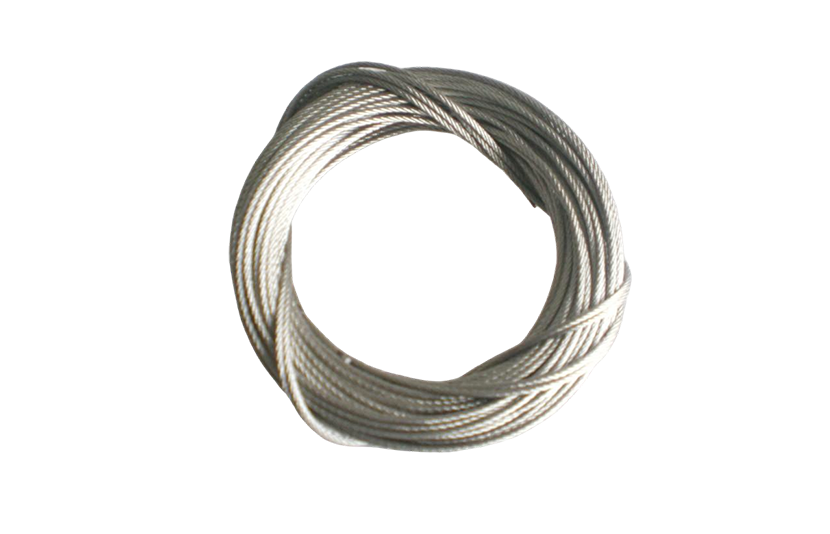
Lưới gabion là một trong những vật liệu thiết thực, bền bỉ và đa năng nhất được sử dụng trong các dự án xây dựng hiện đại, kỹ thuật dân dụng, cảnh quan và kiểm soát xói mòn. Được cấu tạo từ Dây thép cường độ cao và tạo thành các khối hình giỏ, hệ thống lưới gabion được lấp đầy bằng đá, sỏi hoặc các vật liệu phù hợp khác để tạo ra các cấu trúc ổn định có thể nâng đỡ đất, kiểm soát dòng chảy của nước, bảo vệ sườn dốc và tăng cường sự ổn định của công trình. Nhờ độ bền, khả năng thấm nước, tính linh hoạt và tuổi thọ cao, lưới gabion đã trở thành một giải pháp được sử dụng rộng rãi trong tường chắn, bảo vệ bờ sông, gia cố đường bộ, phòng thủ bờ biển và thiết kế cảnh quan.
Hướng dẫn đầy đủ này giải thích lưới gabion là gì, cách thức hoạt động, các ứng dụng xây dựng chính, thông số kỹ thuật tiêu chuẩn, các lựa chọn vật liệu, những điều cần lưu ý khi lắp đặt và những lợi ích chính khiến nó trở thành lựa chọn ưu tiên trong các dự án cơ sở hạ tầng và cảnh quan. Nội dung bên dưới được viết bằng tiếng Anh rõ ràng, thân thiện với SEO và được cấu trúc để dễ dàng sử dụng trong blog, trang danh mục, trang đích sản phẩm và trang tài nguyên ngành.
Lưới gabion là cấu trúc lưới thép đan hoặc hàn được sử dụng để tạo thành các rọ gabion, hộp gabion, đệm gabion và các hệ thống chứa liên quan. Các tấm lưới thường được làm từ Dây thép mạ kẽm, dây hợp kim kẽm-nhôm hoặc Dây thép phủ PVC. Sau khi được lắp ráp và lấp đầy đá, cấu trúc gabion trở thành một khối nặng, ổn định và thấm nước, có khả năng chống lại sự dịch chuyển, giảm xói mòn và hỗ trợ các công trình đất.
Thuật ngữ “gabion” xuất phát từ khái niệm lịch sử về một cái lồng hoặc giỏ được sử dụng để bảo vệ và hỗ trợ. Trong xây dựng hiện đại, lưới gabion cung cấp một hệ thống mô-đun có thể được điều chỉnh cho phù hợp với các yêu cầu dự án khác nhau. Không giống như các cấu trúc bê tông cứng nhắc, hệ thống gabion linh hoạt và có thể hấp thụ các chuyển động nhỏ của mặt đất trong khi vẫn duy trì tính toàn vẹn cấu trúc.
Lưới gabion được đánh giá cao vì kết hợp giữa việc lắp đặt đơn giản và hiệu suất lâu dài. Trong nhiều trường hợp, nó không cần đến máy móc phức tạp, và thường có thể được lắp đặt bằng vật liệu đá địa phương, giúp giảm chi phí vận chuyển và vật liệu.
Lưới gabion hoạt động bằng cách giữ đá lấp bên trong một cấu trúc dây thép. Lưới thép giữ đá cố định trong khi cho phép nước thấm qua các khoảng trống giữa các viên đá. Khả năng thấm nước này là một trong những đặc điểm quan trọng nhất của kết cấu gabion vì nó giúp giảm áp lực thủy tĩnh phía sau các công trình chắn giữ và giảm nguy cơ hư hỏng do nước bị mắc kẹt.
Khi được lắp đặt trong các bức tường chắn, bờ sông hoặc hệ thống ổn định mái dốc, lưới gabion tạo ra một khối kết hợp giữa trọng lượng, khả năng thoát nước và tính linh hoạt. Trọng lượng của đá lấp đầy mang lại sự ổn định, trong khi cấu trúc mở cho phép thoát nước tự nhiên. Theo thời gian, thảm thực vật có thể phát triển bên trong và xung quanh hệ thống gabion, cải thiện sự hòa nhập môi trường và tăng cường khả năng bảo vệ mái dốc.
Có một số loại lưới gabion thông dụng được sử dụng trong các ứng dụng xây dựng. Việc lựa chọn phụ thuộc vào mục đích sử dụng, điều kiện tải trọng, môi trường lắp đặt và yêu cầu thiết kế.
| Loại lưới Gabion | Vật liệu thông thường | Mục đích sử dụng chính | Các tính năng chính |
|---|---|---|---|
| Lưới Gabion dệt hình lục giác | Dây thép mạ kẽm hoặc phủ lớp bảo vệ | Tường chắn, kiểm soát xói mòn, lót kênh | Linh hoạt, bền bỉ, dễ lắp đặt, khả năng chống lún tốt. |
| Lưới gabion hàn | Dây thép có mối hàn | Tường kiến trúc, cảnh quan, cấu trúc trang trí | Vẻ ngoài cứng cáp, hình học gọn gàng, cấu trúc chắc chắn. |
| Lưới gabion mạ kẽm | Dây thép mạ kẽm | Xây dựng tổng quát và kỹ thuật dân dụng | Khả năng chống ăn mòn, tiết kiệm chi phí, được sử dụng rộng rãi |
| Lưới gabion phủ PVC | Dây thép mạ kẽm có lớp vỏ PVC bên ngoài. | Môi trường biển, ven biển, ẩm ướt hoặc có tính ăn mòn cao | Tăng cường khả năng chống gỉ và tác động của thời tiết. |
| Lưới Gabion kẽm-nhôm | Dây có lớp phủ hợp kim | Công trình hạ tầng có độ bền cao | Khả năng chống ăn mòn được cải thiện và tuổi thọ sử dụng lâu hơn. |
Lưới gabion được sử dụng rộng rãi trong nhiều ứng dụng xây dựng vì tính linh hoạt, tiết kiệm chi phí và thân thiện với môi trường. Khả năng kết hợp giữa hỗ trợ kết cấu và thoát nước khiến nó đặc biệt hữu ích trong các dự án liên quan đến đất, nước và địa hình không ổn định.
Tường chắn bằng rọ đá là một trong những ứng dụng phổ biến nhất của lưới rọ đá. Những bức tường này được sử dụng để giữ đất, hỗ trợ các bờ đường, ổn định sườn đồi và tạo cảnh quan bậc thang. So với tường chắn bằng bê tông, tường chắn bằng rọ đá thường dễ lắp đặt hơn và phù hợp hơn với các địa điểm có sự dịch chuyển đất không đều.
Vì tường gabion có khả năng thấm nước, chúng cho phép nước chảy qua cấu trúc thay vì tích tụ phía sau. Điều này làm giảm áp lực lên tường và cải thiện độ bền lâu dài.
Lưới gabion được sử dụng rộng rãi để bảo vệ bờ sông, ổn định dòng chảy và lót kênh. Trong các dự án kiểm soát nước, các rọ gabion chứa đầy đá có thể hấp thụ tác động của dòng nước chảy, giảm xói mòn và giúp ngăn ngừa xói mòn đất. Tính chất linh hoạt của chúng làm cho chúng phù hợp với những khu vực mà mặt đất có thể dịch chuyển hoặc lún xuống theo thời gian.
Các sườn dốc và bờ kè dễ bị xói mòn, sạt lở và mất ổn định bề mặt. Hệ thống lưới gabion giúp ổn định sườn dốc bằng cách tạo ra một lớp chắn nặng, thấm nước, giữ đất tại chỗ và hỗ trợ thoát nước. Chúng thường được sử dụng trong xây dựng đường bộ, gia cố sườn đồi và kỹ thuật cảnh quan.
Trong các dự án ven biển, lưới gabion có thể được sử dụng để bảo vệ bờ biển khỏi tác động của sóng và xói mòn. Khi được chế tạo với lớp phủ chống ăn mòn cao, các cấu trúc gabion có thể hoạt động hiệu quả trong môi trường ẩm ướt và mặn. Chúng thường được sử dụng trong kè chắn sóng, hệ thống hỗ trợ tường chắn biển và gia cố bờ biển tạm thời hoặc vĩnh viễn.
Lưới gabion thường được lắp đặt dọc theo đường bộ và đường sắt để ổn định bờ kè, ngăn ngừa xói mòn đất và quản lý thoát nước. Khả năng thích ứng với sự lún nhẹ của nó đặc biệt hữu ích trong các dự án giao thông vận tải, nơi điều kiện địa chất có thể thay đổi theo thời gian.
Ngoài các ứng dụng thuần túy về mặt chức năng, lưới gabion ngày càng được sử dụng rộng rãi trong kiến trúc và cảnh quan. Các bức tường gabion trang trí, ghế ngồi, vách ngăn vườn, chậu cây và các đường viền trang trí rất phổ biến vì chúng kết hợp vẻ ngoài của đá tự nhiên với hình thức cấu trúc hiện đại. Lưới gabion hàn thường được lựa chọn cho những mục đích sử dụng này nhờ đường nét gọn gàng và bề mặt hoàn thiện đẹp mắt.
Hệ thống lưới gabion có thể được tích hợp vào các công trình kiểm soát lũ lụt, kênh dẫn nước và các công trình quản lý nước tạm thời. Vì gabion cho phép nước chảy qua trong khi chống xói mòn, chúng phù hợp với môi trường thủy lực nơi cả khả năng thoát nước và độ bền đều quan trọng.
Lưới gabion mang lại sự kết hợp độc đáo giữa các lợi ích, khiến nó trở nên rất hấp dẫn trong các ứng dụng xây dựng. Những ưu điểm này giải thích lý do tại sao nó tiếp tục được sử dụng trong các dự án kỹ thuật dân dụng, cơ sở hạ tầng và cảnh quan trên toàn thế giới.
| Lợi thế | Sự miêu tả | Giá trị xây dựng |
|---|---|---|
| Cường độ cao | Lưới thép và đá dăm tạo thành một khối nặng và bền chắc. | Cung cấp sự hỗ trợ vững chắc cho đất và bờ kè. |
| Hệ thống thoát nước tuyệt vời | Cấu trúc mở cho phép nước chảy qua. | Giảm áp suất thủy tĩnh phía sau tường và mái dốc. |
| Tính linh hoạt | Có khả năng thích ứng với những chuyển động và lún đất nhỏ. | Hữu ích trên địa hình không ổn định hoặc gồ ghề. |
| Tuổi thọ sử dụng lâu dài | Lớp phủ chống ăn mòn giúp kéo dài độ bền. | Thích hợp cho việc sử dụng cơ sở hạ tầng lâu dài. |
| Hiệu quả chi phí | Thường sử dụng đá địa phương và các phương pháp lắp ráp đơn giản. | Có thể giảm chi phí nhân công và vận chuyển. |
| Tương thích với môi trường | Cho phép thảm thực vật phát triển và tích hợp tự nhiên. | Hỗ trợ các chiến lược xây dựng thân thiện với môi trường |
| Dễ dàng lắp đặt | Các mô-đun lắp ghép rất dễ lắp ráp và đặt vào vị trí. | Đẩy nhanh tiến độ dự án |
| Thiết kế đa năng | Có nhiều kích thước, hình dạng và chất liệu hoàn thiện khác nhau. | Ứng dụng trong kỹ thuật và trang trí |
Lưới gabion có nhiều thông số kỹ thuật tiêu chuẩn khác nhau. Các yêu cầu cụ thể có thể thay đổi tùy thuộc vào loại dự án, điều kiện môi trường và tải trọng. Bảng dưới đây cung cấp thông tin tham khảo chung về các thông số kỹ thuật lưới gabion phổ biến được sử dụng trong xây dựng.
| Thông số kỹ thuật | Phạm vi điển hình | Ghi chú |
|---|---|---|
| Đường kính dây | 2,0 mm đến 4,0 mm | Dây dẫn dày hơn thường được sử dụng cho các ứng dụng đòi hỏi cao hơn. |
| Lỗ lưới | 60 x 80 mm, 80 x 100 mm, 100 x 120 mm | Kích thước lỗ lục giác thông dụng |
| Hình dạng bảng | Giỏ, hộp, nệm, bao tải hoặc tấm ghép hàn. | Được lựa chọn theo mục đích dự án. |
| Lớp phủ dây | Mạ kẽm, mạ kẽm dày, phủ PVC, hợp kim Zn-Al | Lớp phủ giúp tăng cường khả năng chống ăn mòn |
| Kích thước giỏ | Các kích thước phổ biến bao gồm 2 x 1 x 1 m, 3 x 1 x 1 m, 2 x 1 x 0,5 m. | Kích thước tùy chỉnh cũng có sẵn cho nhiều dự án. |
| Dây viền | Dày hơn lưới thép | Giúp tăng cường độ chắc chắn của các cạnh và cải thiện khả năng giữ hình dạng. |
| Dây buộc | Phù hợp với hệ thống dây dẫn chính | Dùng để nối các tấm ván và lắp ráp giỏ. |
| Kích thước đá lấp đầy | Lớn hơn lỗ lưới, thường là đá cứng có góc cạnh. | Ngăn ngừa mất sỏi và cải thiện sự khớp nối giữa các viên sỏi. |
Hiệu suất của lưới gabion phụ thuộc rất nhiều vào vật liệu làm dây và lớp phủ bảo vệ được áp dụng cho nó. Việc lựa chọn vật liệu phù hợp là rất quan trọng để đạt được độ bền và khả năng chống ăn mòn mong muốn.
Thép mạ kẽm là một trong những vật liệu phổ biến nhất để làm lưới gabion. Lớp mạ kẽm giúp bảo vệ thép khỏi gỉ sét và sự ăn mòn do môi trường. Điều này làm cho nó phù hợp với các dự án xây dựng nói chung, tường chắn và các ứng dụng thoát nước trong điều kiện tiếp xúc vừa phải.
Dây thép mạ kẽm dày có lớp kẽm phủ dày hơn so với dây thép mạ kẽm tiêu chuẩn. Loại dây này được sử dụng khi cần khả năng chống ăn mòn cao hơn. Lựa chọn này thường được cân nhắc cho các công trình lắp đặt ngoài trời lâu dài và môi trường ẩm ướt.
Lưới gabion phủ PVC có thêm một lớp phủ polymer trên dây thép mạ kẽm. Điều này giúp tăng cường khả năng bảo vệ và cải thiện hiệu suất ở các khu vực ven biển, vùng ẩm ướt và môi trường ăn mòn cao. Nó cũng có thể cải thiện tính thẩm mỹ bằng cách tạo ra bề mặt hoàn thiện đồng nhất.
Lớp phủ hợp kim kẽm-nhôm được thiết kế để tăng cường khả năng chống ăn mòn và chịu được thời tiết khắc nghiệt. Chúng thường được sử dụng trong các hệ thống rọ đá hiệu suất cao, nơi tuổi thọ sử dụng lâu dài là ưu tiên hàng đầu.
Thiết kế lưới gabion đúng cách rất quan trọng đối với sự an toàn, ổn định và hiệu suất lâu dài. Có nhiều yếu tố cần được xem xét trước khi lựa chọn hệ thống gabion cho một dự án xây dựng.
Mục đích sử dụng hệ thống lưới gabion sẽ quyết định loại dây thép, kích thước giỏ, kích thước mắt lưới và vật liệu lấp đầy. Ví dụ, một bức tường chắn đất có thể yêu cầu các thông số kỹ thuật khác so với một bức tường cảnh quan trang trí hoặc một kè bờ sông.
Các hệ thống rọ đá tiếp xúc với nước, muối, hóa chất hoặc độ ẩm thường xuyên cần khả năng chống ăn mòn mạnh hơn. Trong môi trường biển hoặc ven biển, các lựa chọn lưới thép phủ lớp bảo vệ thường được ưu tiên hơn.
Các rọ đá dùng để nâng đỡ đất hoặc cơ sở hạ tầng phải được thiết kế để chịu được tải trọng dự kiến. Chiều cao, độ dày, cấu trúc nhiều lớp và công tác chuẩn bị nền móng đều ảnh hưởng đến hiệu suất của công trình.
Một trong những ưu điểm chính của lưới gabion là khả năng thoát nước. Tuy nhiên, cần phải đánh giá điều kiện tại công trường để đảm bảo nước lưu thông tốt và ngăn ngừa xói mòn xung quanh công trình.
Vật liệu lấp đầy nói chung nên cứng, bền và có kích thước lớn hơn lỗ lưới. Đá góc cạnh thường được ưa chuộng vì nó khớp nối tốt hơn và cải thiện độ ổn định tổng thể.
Mặc dù chi tiết dự án có thể khác nhau, việc lắp đặt lưới gabion thường tuân theo một trình tự đơn giản. Lắp ráp và đặt đúng vị trí là điều cần thiết để tạo ra một cấu trúc đáng tin cậy.
Thực hiện đúng quy trình lắp đặt giúp đảm bảo hệ thống lưới gabion hoạt động như mong đợi trong suốt thời gian sử dụng. Việc lắp ráp chính xác, lựa chọn kích thước đá phù hợp và nén chặt đất xung quanh cẩn thận đều góp phần tạo nên kết quả cuối cùng ổn định.
Lưới gabion thường được so sánh với bê tông, gỗ và các hệ thống tường chắn tổng hợp. Mỗi vật liệu đều có những ưu điểm riêng, nhưng lưới gabion mang lại sự cân bằng giữa hiệu suất, khả năng thoát nước và tính thân thiện với môi trường mà khó có thể tìm được ở nhiều ứng dụng khác.
| Vật liệu | Sức mạnh | Thoát nước | Tính linh hoạt | Sử dụng điển hình |
|---|---|---|---|---|
| Lưới Gabion | Cao | Xuất sắc | Cao | Tường chắn đất, chống xói mòn, thiết kế cảnh quan |
| Tường bê tông | Rất cao | Mức độ thấp trừ khi có hệ thống thoát nước được thiết kế thêm. | Thấp | Khả năng giữ kết cấu chịu tải nặng |
| Tường gỗ | Vừa phải | Vừa phải | Vừa phải | Cảnh quan nhẹ và hỗ trợ tạm thời |
| Hệ thống địa tổng hợp | Biến | Tốt | Cao | Gia cố đất và đắp đê bằng kỹ thuật |
Từ góc độ nội dung ngành, lưới gabion là một chủ đề mạnh mẽ cho SEO xây dựng vì nó bao gồm sự kết hợp của các từ khóa có ý định cao như lưới gabion, rọ gabion, hệ thống tường chắn, kiểm soát xói mòn, ổn định mái dốc và giải pháp thoát nước. Những thuật ngữ này phù hợp với các kỹ sư, nhà thầu, nhà thiết kế cảnh quan và các nhóm thu mua đang tìm kiếm thông tin thực tiễn.
Nội dung giải thích rõ ràng về lưới gabion có thể xếp hạng cao vì người dùng thường tìm kiếm định nghĩa, thông số kỹ thuật, ứng dụng, hướng dẫn lắp đặt và so sánh vật liệu trước khi đưa ra quyết định về dự án. Một trang được cấu trúc tốt với tiêu đề, bảng và các phần dựa trên ứng dụng có thể cải thiện khả năng đọc hiểu và hiệu suất tìm kiếm.
Lưới gabion được sử dụng cho tường chắn, kiểm soát xói mòn, bảo vệ bờ sông, ổn định mái dốc, gia cố đường sá, cảnh quan, công trình ven biển và các dự án quản lý nguồn nước.
Đúng vậy. Khi được làm từ dây thép mạ kẽm hoặc phủ lớp chất lượng cao, lưới gabion có thể mang lại độ bền lâu dài và khả năng chống chịu tốt với sự hao mòn của môi trường.
Không phải lúc nào cũng vậy. Một số ứng dụng rọ đá sử dụng nền móng bằng vật liệu dạng hạt nén chặt hoặc lớp nền đã được chuẩn bị sẵn thay vì bê tông. Việc lựa chọn vật liệu nền móng phụ thuộc vào thiết kế dự án và điều kiện đất.
Loại đá cứng, bền, có hình dạng góc cạnh thường được ưa chuộng vì nó dễ ghép nối, chống chịu được thời tiết và được giữ chắc chắn bên trong lưới.
Đúng vậy. Lưới gabion đặc biệt hữu ích trong môi trường ẩm ướt vì nó cho phép nước chảy qua đồng thời giúp ngăn ngừa xói mòn và sự dịch chuyển của đất.
Hệ thống lưới gabion nổi tiếng với chi phí bảo trì thấp so với nhiều giải pháp xây dựng khác. Trong hầu hết các trường hợp, việc kiểm tra định kỳ là đủ để phát hiện bất kỳ hư hỏng, biến dạng hoặc lún bất thường nào. Nếu lớp lưới thép vẫn còn nguyên vẹn và lớp đá lấp ổn định, công trình có thể tồn tại trong nhiều năm.
Công tác bảo trì có thể bao gồm kiểm tra ăn mòn, sửa chữa các đoạn dây bị hư hỏng, thay thế các viên đá bị xê dịch và theo dõi điều kiện thoát nước xung quanh. Trong các ứng dụng thân thiện với thảm thực vật, một số cây cối mọc xung quanh công trình có thể có lợi, nhưng cần quản lý cẩn thận sự phát triển của rễ và đất.
Lưới gabion vẫn là một trong những giải pháp thiết thực và hiệu quả nhất cho các ứng dụng xây dựng đòi hỏi độ bền, khả năng thoát nước, tính linh hoạt và sự ổn định lâu dài. Cho dù được sử dụng trong tường chắn, gia cố mái dốc, kiểm soát xói mòn, bảo vệ sông ngòi, công trình đường bộ hay thiết kế cảnh quan, lưới gabion đều mang lại sự kết hợp đã được chứng minh giữa hiệu suất kết cấu và tính thân thiện với môi trường.
Với hình dạng mô-đun đơn giản, thông số kỹ thuật có thể tùy chỉnh và nhiều lựa chọn vật liệu, lưới gabion phù hợp cho cả các công trình hạ tầng kỹ thuật và các dự án kiến trúc trang trí. Đối với chủ đầu tư, nhà thầu và nhà thiết kế đang tìm kiếm một vật liệu xây dựng đáng tin cậy, lưới gabion mang đến sự cân bằng thông minh giữa độ bền, hiệu quả chi phí và tính linh hoạt.
Bằng cách hiểu rõ các loại lưới gabion, thông số kỹ thuật, ưu điểm và nguyên tắc lắp đặt, người lập kế hoạch dự án có thể lựa chọn hệ thống phù hợp cho ứng dụng của mình và cải thiện kết quả dự án dài hạn.

 Điện thoại cố định: +86-513-85100011
Số điện thoại: +86 13585223056
 E-mail:hangtong@nthangtong.com
vicky@nthangtong.com
 Địa chỉ: Số 508, đường Quảng Hưng, thị trấn Baishan, huyện Bo'ai, thành phố Tiêu Tác, tỉnh Hà Nam
Bản quyền © Công ty TNHH Cáp thép Hà Nam Suxiang
Trang web này sử dụng cookie để đảm bảo bạn có được trải nghiệm tốt nhất trên trang web của chúng tôi.
 English
 Español
 한국어
한국어 العربية
 Filipino



 Điện thoại
Bình luận
(0)